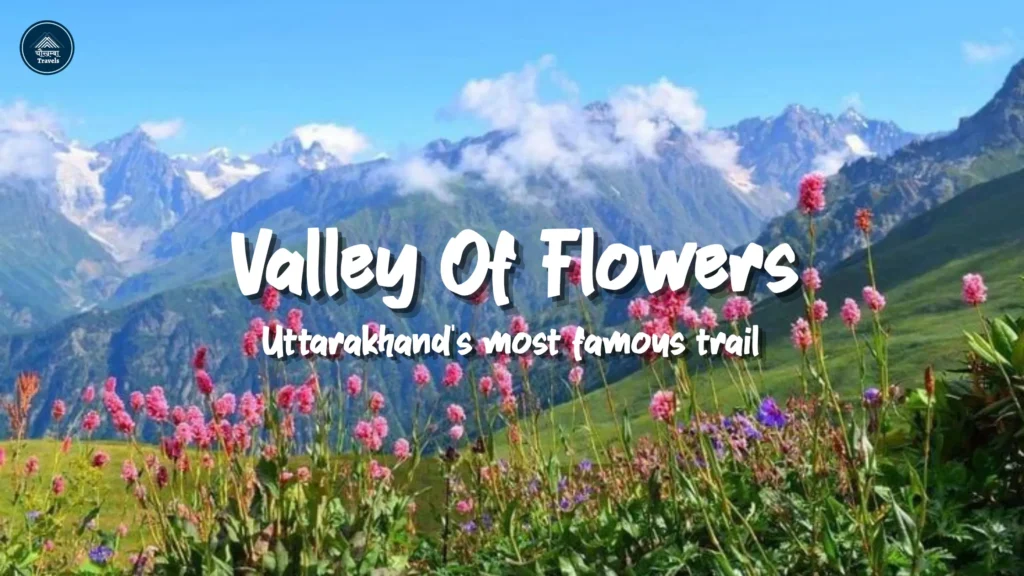
The best time to visit Valley of Flowers for colourful alpine blooms is mid-July to mid-August, with late July and early August a strong choice for a flower-focused trip. June offers an earlier stage of the season, while September brings a changing landscape with fewer flowers. Peak flowering overlaps with the monsoon, so rain preparation and flexible travel days are part of the plan.
The most useful way to choose your dates is to decide what matters most: flower photography, Himalayan scenery, a quieter visit or a combined trek to Hemkund Sahib. This guide compares the months, explains the flowering cycle and helps you build a practical itinerary from the plains to Ghangaria.
Best Time to Visit Valley of Flowers: Quick Answer
| Best period for flowers | Mid-July to mid-August |
|---|---|
| Preferred focus for peak-bloom planning | Late July and the first half of August |
| Earlier-season visit | June: early growth and a different meadow appearance |
| Later-season visit | September: reduced flowering and a transition towards autumn |
| Typical visitor season | June to October; park access is managed by the Forest Department |
| Overnight base | Ghangaria |
| Main planning trade-off | The strongest flower display coincides with monsoon conditions |
Uttarakhand Tourism describes July to September as the broader period of flower abundance. Trek-leader observations published by Indiahikes narrow the strongest flower-focused window to late July and the first half of August. Individual species have different flowering cycles within this broader season.
Why Does Timing Matter at Valley of Flowers?
Valley of Flowers National Park lies in Uttarakhand's Chamoli district and forms part of the Nanda Devi and Valley of Flowers National Parks UNESCO World Heritage property . Its appeal comes from alpine meadows, mountain scenery and plants responding to a short growing season.
Snowmelt, rainfall, elevation and individual plant species influence what you see. Meadows develop through the season rather than reaching one permanent state of full bloom. An early-season photograph and a peak-monsoon photograph can therefore show very different versions of the same place.
Plan around the valley visit itself. When comparing departures, check the day you enter Valley of Flowers, not only your pickup date in Haridwar or Rishikesh.
Valley of Flowers: Month-by-Month Guide
| Period | Flowering and Landscape | Planning Priority |
|---|---|---|
| June | Early growth and developing meadows; less extensive flowering than the peak window | Choose it for the early-season landscape rather than a dense floral display |
| Early July | Green meadows with flowering building through the season | Allow for monsoon arrival and changing trail conditions |
| Mid-to-late July | A stronger flowering display as the monsoon season develops | A good flower-focused period with full rain preparation |
| First half of August | A prime period for abundant colour and flower photography | Prepare for wet trails, cloud and busy departure dates |
| Second half of August | Flowers remain, while the species mix and meadow appearance change | Expect a later stage of flowering rather than an identical early-August scene |
| September | Reduced flowering and a gradual autumn transition | Choose it when scenery matters more than the peak flower display |
| October, within the operating season | Late-season landscape with limited floral interest | Plan around access, colder conditions and local services |
Valley of Flowers in June
June suits travellers interested in seeing the valley earlier in its growing season. It is not the first choice for the familiar photographs of colourful flowering meadows. Pack warm layers and rain protection rather than assuming that an earlier date guarantees dry conditions.
Valley of Flowers in July
July is a transition month. If flowers are the main reason for your journey, prioritise its second half over the opening days. Leave room in the schedule for wet conditions and avoid treating early July as a guaranteed low-rain alternative.
Valley of Flowers in August
The first half of August is a strong choice for a flower-focused itinerary. In the latter half, the display changes as individual plants move through flowering and seed development. A later visit can still be rewarding, but it should not be sold as an identical floral scene.
Valley of Flowers in September
September suits visitors who value the wider mountain landscape and accept fewer flowers. Rain and cloud can continue into September, so carry the same essential weather protection. If your main aim is abundant meadow colour, choose the earlier flowering window.
Valley of Flowers in October and Winter
October is a late-season visit rather than a peak-bloom choice. The regular visitor season ends before the winter closure. Winter is not the season for this standard flower-viewing trek, and an evergreen month guide should not be used as permission to enter a closed park.
Is July or August Better for Valley of Flowers?
Choose late July or early August when seeing flowers is your main goal. The distinction between these weeks is more useful than comparing both months as if each were uniform. Early July is a developing stage; early August is a stronger peak-bloom target.
| Your Choice | Best Reason to Choose It | Preparation |
|---|---|---|
| Late July | Flower-focused visit during the developing peak window | Rainwear, protected luggage and road-delay flexibility |
| Early August | Priority on abundant meadow colour | The same monsoon preparation, plus advance room planning |
| Late August | A later seasonal display when earlier dates do not suit | Realistic expectations about changing flowers and continuing rain |
Choose the Best Month for Your Travel Goal
- Flower photography: Prioritise late July and early August.
- Landscape photography: Consider September if fewer flowers are acceptable; allow time for visibility to change.
- Early-season scenery: Choose June without expecting the peak flower display.
- Avoiding busy dates: Compare weekdays and holiday departures rather than assuming an entire month will be quiet.
- First Himalayan trek: Choose a supported itinerary, a manageable pace and suitable preparation; a month alone does not make the trek easy.
Ghangaria also serves Hemkund Sahib pilgrims. A quieter day inside the valley does not automatically mean quiet accommodation or an empty approach trail.
Do All Valley of Flowers Plants Bloom Together?
No. Different species flower at different stages of the growing season. Peak bloom means a strong overall display, not every recorded plant flowering simultaneously. Avoid choosing dates around promises of seeing hundreds of species in a single day.
For a more interesting visit, notice the differences between meadow patches, shaded sections and rocky ground. Photograph plants from the path and ask your guide to identify them rather than walking into vegetation for a close-up.
What About Brahma Kamal?
Brahma Kamal is associated with the higher slopes around the Hemkund Sahib route. Look for this plant along the higher Hemkund slopes rather than making the main valley trail the focus. If this plant is a particular interest, explain that when planning the separate Hemkund day. Do not pick flowers or leave the trail to reach them.
Rain, Visibility and Road Planning
The flowering season overlaps with monsoon travel. Conditions on the approach road, the climb to Ghangaria and the valley path can differ on the same day. Prepare for wet stone, mud, mist and periods of rain instead of assuming that all showers are brief or confined to the afternoon.
Use the IMD district weather warnings for Chamoli and the districts on your approach route. Follow local administration and Forest Department instructions: a suitable calendar date does not override an access restriction.
- Keep spare time before an onward flight or train.
- Protect clothes and electronics inside the bag as well as covering the outside.
- Begin the valley walk early within the permitted entry schedule.
- Set a return time that accounts for walking back, stops and changing conditions.
- Pause or change the plan when local instructions require it.
Best Time to Combine Valley of Flowers and Hemkund Sahib
Use separate days for the valley and Hemkund Sahib. They share Ghangaria as a base but follow different routes. Hemkund is a steeper, higher excursion and should not be treated as a short extension of the valley walk.
For a trip centred on flowers, select the valley's peak-bloom window and include Hemkund during its own operating season. Check both destinations when arranging departures near the start or end of the season; their access calendars are not interchangeable.
Route, Base Village and Walking Distances
Haridwar / Rishikesh → Joshimath / Govindghat → Pulna → Ghangaria → Valley of Flowers → Return to Ghangaria
| Section | Approximate Distance | Mode |
|---|---|---|
| Govindghat to Pulna | About 4 km | Local road transfer |
| Pulna to Ghangaria | About 9 km one way | Uphill walking stage |
| Ghangaria into the Valley of Flowers | About 3–4 km to the initial valley area, plus exploration and the return | Walking excursion |
| Ghangaria to Hemkund Sahib | About 6 km one way | Separate steep ascent |
Do not count the first meadow as the end of the day's walking. Time inside the valley and the distance you explore add to the return excursion. See our Valley of Flowers trek itinerary for the overall journey.
Suggested Six-Day Valley of Flowers Itinerary
| Day | Plan | Overnight |
|---|---|---|
| Day 1 | Drive from Haridwar or Rishikesh to the arranged road base. | Joshimath / Govindghat area |
| Day 2 | Transfer to Pulna and walk to Ghangaria at a manageable pace. | Ghangaria |
| Day 3 | Visit Valley of Flowers and return within the park's permitted schedule. | Ghangaria |
| Day 4 | Optional Hemkund Sahib excursion, or an arranged rest or additional valley day with the required entry permission. | Ghangaria |
| Day 5 | Descend to Pulna and transfer to the road accommodation. | Govindghat / Joshimath area |
| Day 6 | Return drive to Haridwar or Rishikesh. | Departure |
A second valley day can be useful for plant observation and a different photographic opportunity. An excursion day is not also a free weather buffer: add unused time separately when your schedule needs it.
Entry, Accommodation and Preparation
Park Entry and Conservation
Carry identification, obtain the required park entry permission and pay the applicable posted fee. Follow the entry and return timings given at the checkpoint. Valley of Flowers is a day visit from Ghangaria: overnight stays and camping inside the park are not permitted.
Remain on the designated path, carry back litter and leave flowers undisturbed. A trek booking and national-park entry are separate arrangements unless your written inclusions cover both.
Accommodation at Ghangaria
Reserve your stay before committing to peak-season travel. Ask about room sharing, bathroom facilities, hot water, meal arrangements and the property's location. Do not rely on uninterrupted mobile data for bookings, payments or access to your documents.
Packing for the Flowering Season
- Reliable rainwear and waterproof protection for the bag's contents.
- Walking shoes with good grip and spare socks.
- Warm layers for cold, wet or windy conditions.
- Identification, booking details and offline emergency contacts.
- Prescribed medicines, water, suitable snacks and sun protection.
- A torch, charging equipment and some cash.
Prepare for sustained uphill walking before departure. Seek medical advice if you have an existing condition or concerns about high altitude. Choosing June or September does not remove altitude-related risks.
Frequently Asked Questions
Which is the best month to visit Valley of Flowers?
For flowers, prioritise late July or the first half of August. This is a more focused choice than treating the entire June-to-October visitor season as equally suitable.
Is July or August better?
Late July and early August are both strong choices for a flower-focused trip. Early July is a developing stage, while the later part of August brings a changing floral display.
Is September a good time to visit?
September suits visitors who accept fewer flowers and value the wider landscape. It should not be presented as the same peak-bloom experience as late July and early August.
Can I see flowers in June?
June is an earlier stage of the season, with developing growth and early flowers. Choose the main flowering window if abundant colour is the reason for your visit.
Does peak bloom mean every flower blooms together?
No. Different species have different flowering cycles. A strong meadow display does not mean that every recorded species can be seen flowering during one visit.
Can I stay inside Valley of Flowers?
No. Stay at Ghangaria and return after the day's visit. Camping and overnight stays inside the national park are not permitted.
Can beginners do the trek?
Beginners need preparation for sustained uphill walking, high altitude and wet conditions. Choose a suitable pace and support rather than relying only on an easy or moderate label.
Can I visit Valley of Flowers and Hemkund Sahib on the same day?
Plan separate days. Hemkund is a steep, higher-altitude excursion from Ghangaria, while the valley needs time for walking, exploration and a timely return.
Is the valley open throughout the year?
No. The typical visitor season is June to October, followed by winter closure. Arrange your visit within the Forest Department's operating season.
How many days should I plan from Haridwar or Rishikesh?
A six-day plan can cover the road approach, Ghangaria, a valley visit, an optional Hemkund day and the return. Add separate spare days for a more flexible schedule.
Planning your trek? Explore the Valley of Flowers trek with Chaukhamba Travels for route, accommodation and departure arrangements. . Call +91 9259827824 for trip planning.