
Char Dham Yatra 2026 – A Complete Spiritual Journey Through Uttarakhand
Every year, thousands of pilgrims set out on the Char Dham Yatra — a journey to four of the most sacred shrines in the Himalayas: Yamunotri, Gangotri, Kedarnath, and Badrinath. It’s not an easy trip. The roads wind through mountains, the weather can turn quickly, and two of the four shrines can only be reached on foot.
That’s exactly why we built our Char Dham Yatra Package 2026 the way we did — with hotels you can actually rely on, drivers who know these routes well, and someone from our team available at every stop, so the only thing you need to think about is the darshan itself.
We’ve planned this journey for all kinds of travellers — families bringing along elderly parents, groups doing the full pilgrimage together, and solo devotees making the trip on their own. Our 10-day itinerary covers the complete circuit by road, and for Kedarnath, we also offer a helicopter option if trekking isn’t for you.
Why Book Our Char Dham Yatra Package 2026?
The Char Dham Yatra is a pilgrimage to four shrines high in the Uttarakhand Himalayas, each with its own deep significance.
Yamunotri marks the source of the River Yamuna.
Gangotri is where the Ganga first touches the earth, according to legend.
Kedarnath is one of the twelve Jyotirlingas — among the holiest of Lord Shiva’s shrines.
Badrinath is dedicated to Lord Vishnu, sitting right on the edge of the Himalayan range.
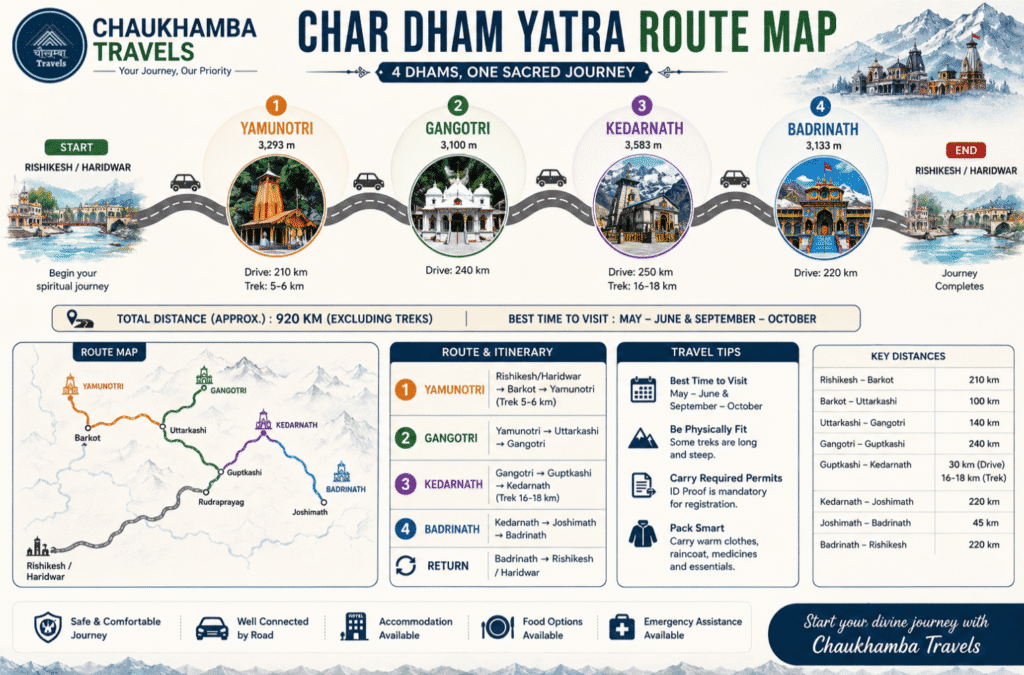
Most pilgrims complete the full circuit in 10 to 12 days, travelling by road from Haridwar or Dehradun. Two of the four — Yamunotri and Kedarnath — require a trek to reach, while Gangotri and Badrinath can be reached directly by vehicle.
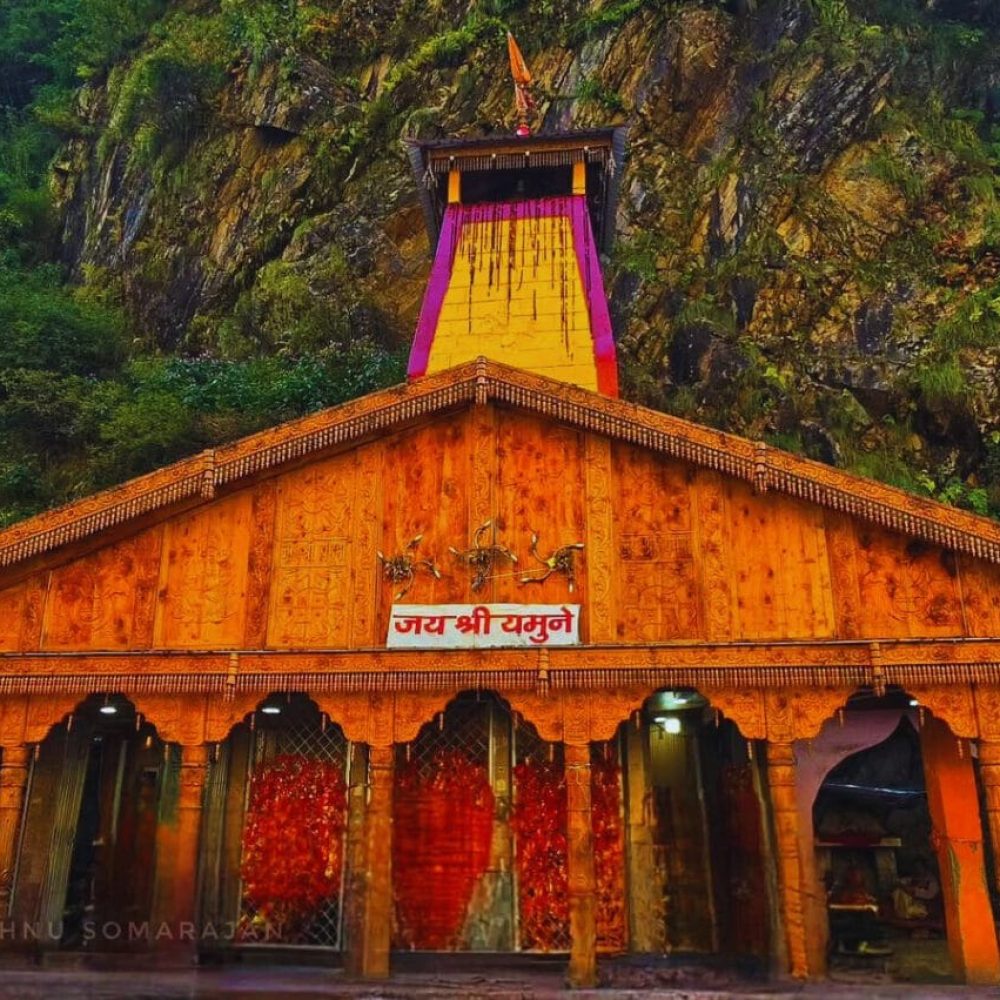
The sacred journey of the Char Dham Yatra begins with Yamunotri Temple, dedicated to Goddess Yamuna.
Located at an altitude of 3,293 meters, the temple is surrounded by dense forests, waterfalls, and the stunning Himalayan landscape.
Pilgrims reach Yamunotri after a scenic 6-kilometer trek from Janki Chatti, making the journey just as rewarding as the destination itself.
Along the way, visitors enjoy spectacular mountain views and fresh Himalayan air that make every step memorable.One of the unique attractions near the temple is Surya Kund, a natural hot water spring where devotees prepare rice and potatoes as a sacred offering.
The actual source of the Yamuna River lies at the Yamunotri Glacier, further up in the mountains.Yamunotri is not only a place of worship but also a destination that beautifully combines faith, adventure, and the untouched beauty of Uttarakhand.
Quick Facts
- Dedicated to: Goddess Yamuna
- Altitude: 3,293 meters
- Trek Distance: 6 km from Janki Chatti
- Best Time to Visit: May–June & September–October
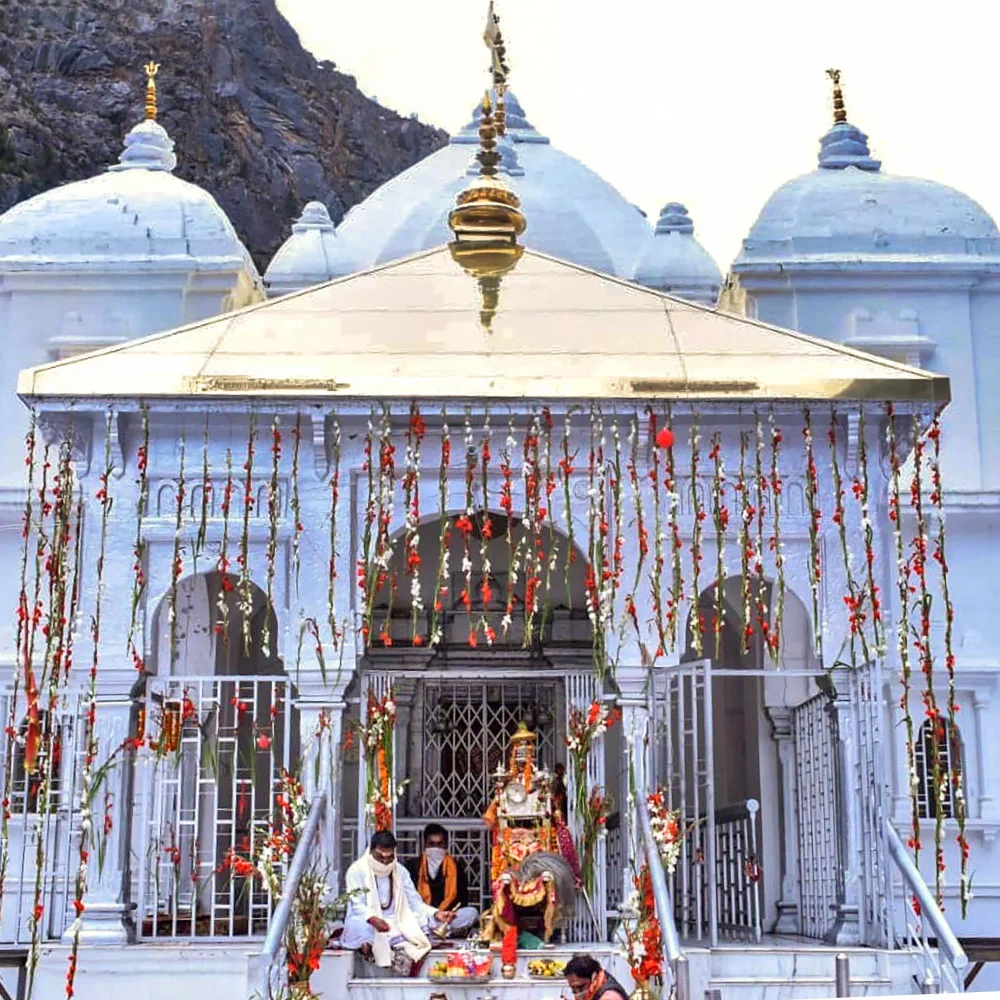
Gangotri Temple is a place where faith and nature come together in the most beautiful way. Dedicated to Goddess Ganga, the temple stands at an altitude of around 3,100 meters and marks the sacred place where the holy River Ganga is believed to have descended to Earth.
The temple is located beside the crystal-clear Bhagirathi River, surrounded by majestic Himalayan peaks and lush forests.
The peaceful atmosphere makes Gangotri much more than just a pilgrimage destination—it is a place where visitors reconnect with nature and find inner peace.
For adventure lovers, the nearby Gaumukh Glacier, considered the actual source of the Ganga, is a popular trekking destination.
Whether you visit for spiritual reasons or to witness the untouched beauty of Uttarakhand, Gangotri offers an unforgettable experience.
The temple remains open from May to October, welcoming thousands of pilgrims every year.
Quick Facts
- Dedicated to: Goddess Ganga
- Altitude: 3,100 meters
- Nearby Attraction: Gaumukh Glacier
- Best Time to Visit: May–June & September–October
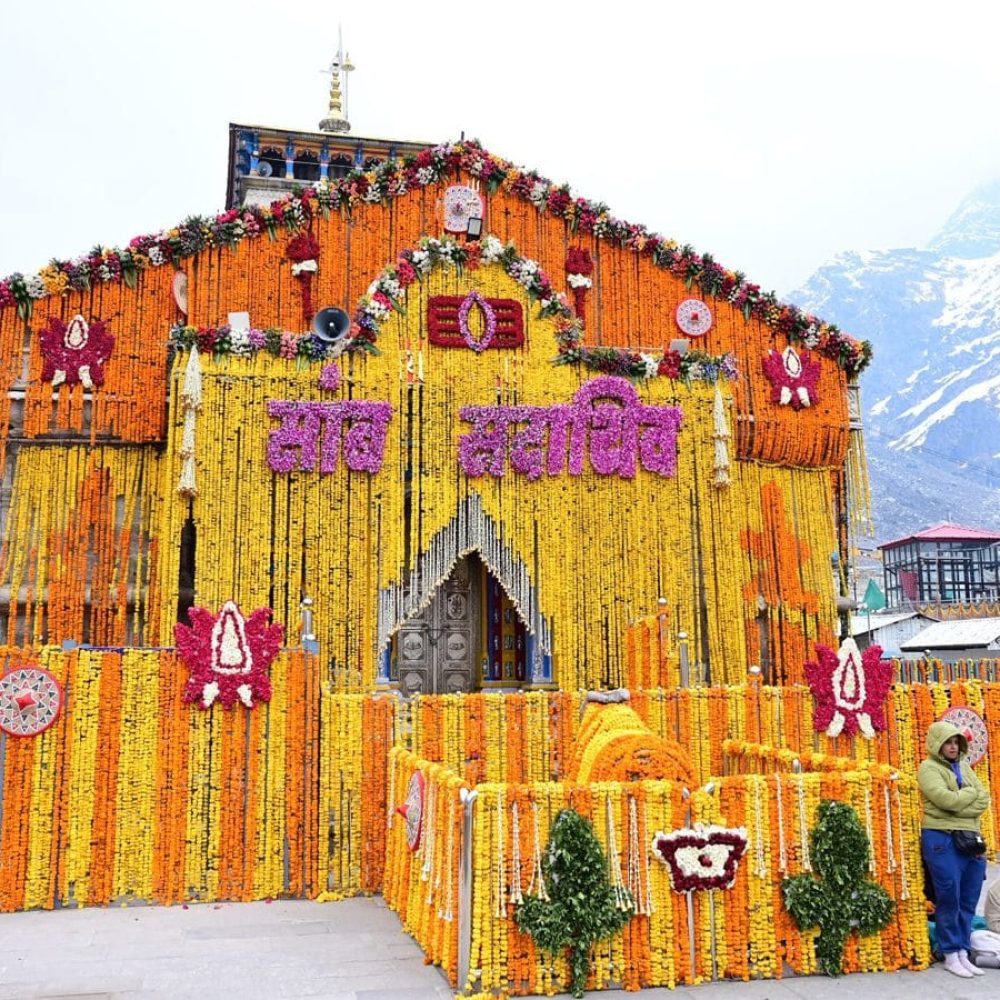
Every year, thousands of pilgrims and travelers make their way to Kedarnath Temple, one of the most sacred shrines dedicated to Lord Shiva.
Located at an altitude of 3,583 meters in the Garhwal Himalayas, Kedarnath is not just a destination—it is an experience that combines spirituality, adventure, and breathtaking natural beauty.
Surrounded by towering snow-capped peaks and the soothing sound of the Mandakini River, the temple offers an atmosphere of peace that is difficult to describe in words.
The journey to Kedarnath begins from Gaurikund, followed by a scenic 16-kilometer trek through mountains, waterfalls, and forests. Pilgrims who prefer a shorter journey can also choose helicopter services available during the yatra season.
Kedarnath is one of the 12 Jyotirlingas of Lord Shiva, making it one of the most important pilgrimage sites in India.
The temple remains open from May to October, attracting devotees from across the world who come to seek blessings and witness the spiritual charm of the Himalayas.
Whether you’re traveling for religious reasons or simply looking to experience the serenity of the mountains, Kedarnath leaves every visitor with unforgettable memories.
Quick Facts
- Dedicated to: Lord Shiva
- Altitude: 3,583 meters
- Trek Distance: 16 km from Gaurikund
- Best Time to Visit: May–June & September–October
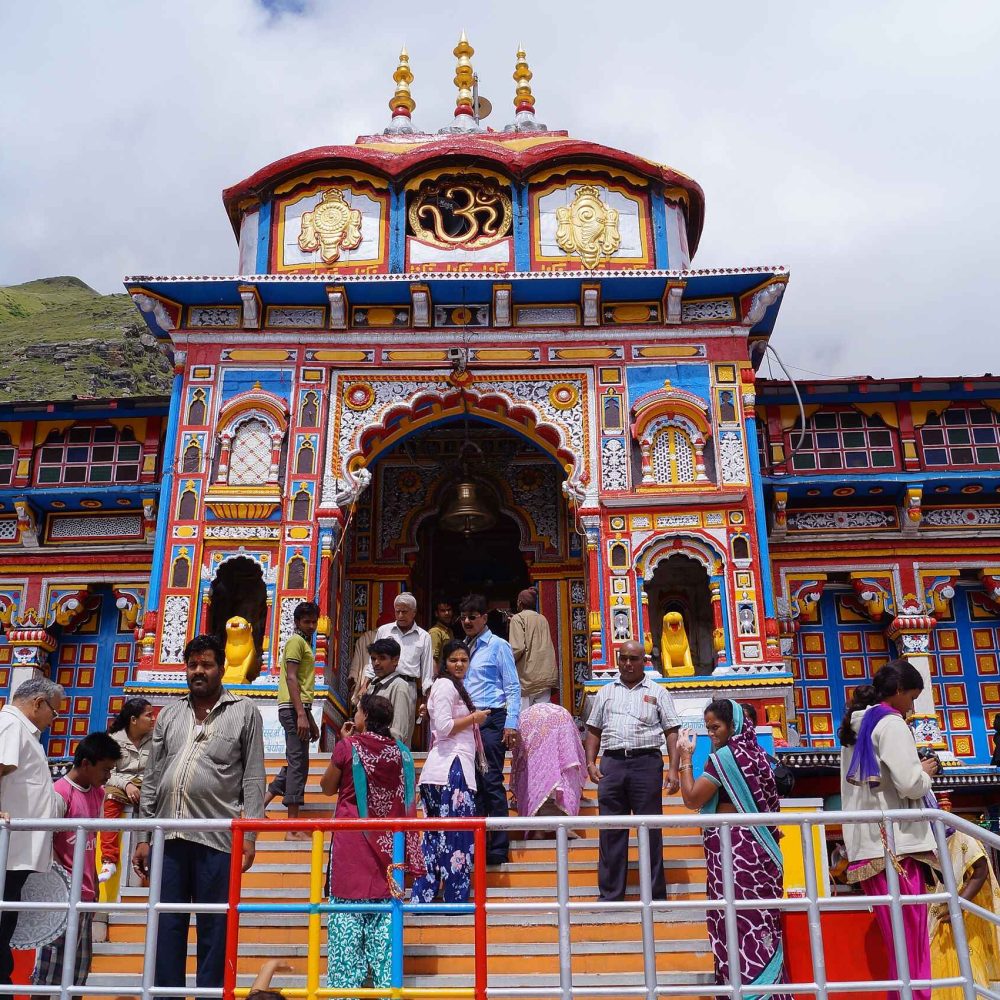
Situated on the banks of the beautiful Alaknanda River, Badrinath Temple is one of the most revered temples dedicated to Lord Vishnu. Nestled at an altitude of 3,133 meters, this sacred shrine forms an important part of both the Char Dham Yatra and the Chota Char Dham circuit.
According to Hindu mythology, Lord Vishnu performed deep meditation here while Goddess Lakshmi protected him by taking the form of a Badri tree, giving the place its name.
Today, pilgrims from all over the country visit Badrinath to seek divine blessings and experience its peaceful Himalayan surroundings.
One of the highlights of the temple is Tapt Kund, a natural hot water spring where devotees traditionally take a holy bath before entering the temple.
Surrounded by the Nar and Narayan mountain ranges, Badrinath offers a perfect blend of spirituality, history, and scenic beauty.
If you’re planning a Char Dham Yatra, a visit to Badrinath is sure to become one of the most memorable parts of your journey.
Quick Facts
- Dedicated to: Lord Vishnu
- Altitude: 3,133 meters
- Famous Attraction: Tapt Kund
- Best Time to Visit: May–June & September–October
Char Dham Yatra 2026: Temple Opening & Closing Dates and Daily Darshan Timings
Seasonal Opening & Closing Dates 2026
| Dham | Opening 2026 | Closing 2026 (Tentative) | Closing Occasion |
|---|---|---|---|
| Yamunotri | 19 April | ~11 November | Bhai Dooj |
| Gangotri | 19 April | ~10 November | Diwali |
| Kedarnath | 22 April | ~11 November | Bhai Dooj |
| Badrinath | 23 April | ~13 November | Vijayadashami (20 Oct 2026) |
Closing dates are tentative and confirmed nearer Vijayadashami/Diwali by BKTC. Always verify with official sources before travel.
Daily Darshan Timings
| Dham | Morning | Break | Evening | Notes |
|---|---|---|---|---|
| Yamunotri | 6:00 AM | — | until 8:00 PM | Open May–October only |
| Gangotri | 6 AM – 12 PM | 12 – 2 PM | 2 – 8 PM | Shifts slightly in peak season |
| Kedarnath | 6 AM (Abhishek 4 AM) | 3 – 5 PM | until 7 PM | No touching idol after 5 PM |
| Badrinath | 4:30 AM – 1 PM | 1 – 4 PM | 4 – 9 PM | Shayan Aarti ~8:30 PM |
Char Dham Yatra Package Options
Standard Road Package
Haridwar ⇄ Yamunotri ⇄ Gangotri ⇄ Kedarnath ⇄ Badrinath · 10N/9D
₹18,999/person
- Shared standard hotel accommodation
- Private AC vehicle for the full circuit
- Breakfast included (except Kedarnath night)
- Registration & darshan assistance
Deluxe Comfort Package
Same route · 10N/9D
₹24,999/person
- 3-star category hotels with private washrooms
- Breakfast & dinner included
- Pony/palki assistance booking for Yamunotri & Kedarnath
- Dedicated tour manager on call 24×7
Helicopter Char Dham
Dehradun/Phata based · Shorter duration
₹34,999/person
- Helicopter Kedarnath darshan — no trekking
- Best for seniors & time-constrained travellers
- Priority VIP darshan add-on available
- Subject to weather & seat availability
Char Dham Yatra Itinerary 2026 (10 Days / 9 Nights)
Day 1: Haridwar to Barkot (210 km / 7–8 hrs) — Altitude: 1,220 m
Begin your Char Dham Yatra early morning from Haridwar, driving via Mussoorie towards Barkot, your base for the Yamunotri leg. Stop at Mussoorie Lake for photos and a short break, then visit Kempty Falls, one of Uttarakhand’s most popular waterfalls, before continuing the descent into the Yamuna valley. On arrival in Barkot, check into your hotel, have dinner, and rest — tomorrow is an early start.
💡 Tip: Leave Haridwar by 6:00–7:00 AM to avoid Mussoorie’s daytime traffic and reach Barkot before dark, since mountain roads aren’t well-lit after sunset.
Day 2: Barkot – Yamunotri – Barkot (42 km drive + 5–6 km trek one-side) — Altitude: 3,293 m
Start early after breakfast and drive to Jankichatti, the base point for the Yamunotri trek. The 5–6 km trek can be done on foot (3–5 hours), on horseback, or by doli/palanquin (both at your own cost) — pony and doli charges are separate from the package. On reaching the temple, take a dip in the warm waters of Jamunabai Kund, and try the local tradition of tying rice in a cloth and cooking it in the hot spring — pilgrims carry this rice home as prasad. Have darshan of Goddess Yamuna, pay respects at Divya Shila (a sacred rock beside the temple), and explore the Surya Kund hot spring nearby before trekking back down to Jankichatti and returning to Barkot for the night.
💡 Tip: This is the first trek of the yatra and the best day to gauge your own pace before the tougher Kedarnath trek later — start by 5:30–6:00 AM to avoid the midday sun on the climb and to have enough daylight buffer for the return.
Day 3: Barkot to Uttarkashi (100 km / 4 hrs) — Altitude: 1,352 m
A relatively relaxed day after yesterday’s trek. Drive to Uttarkashi, a peaceful town on the banks of the Bhagirathi River and an important base for the Gangotri leg. In the evening, visit the Kashi Vishwanath Temple, known for its large iron trident (trishul) believed to be centuries old. This is also a good day to rest, do laundry, and stock up on any medicines or essentials before heading further into the mountains.
💡 Tip: Uttarakhand government’s mandatory Char Dham registration counters are also available here — a good backup if you haven’t completed online registration yet.
Day 4: Uttarkashi – Gangotri – Uttarkashi (120 km / 5 hrs each side) — Altitude: 3,048 m
An early start for the drive to Gangotri, one of the most scenic legs of the entire yatra. Stop at Gangnani for a holy dip in the Garam Kund hot spring, then continue through the Harsil Valley — a stretch lined with Deodar forests and mountain views often compared to Switzerland. At Gangotri, take a dip in the icy, sacred Bhagirathi river (the Ganga’s name at its source), perform pooja, and have darshan at the Gangotri Temple, dedicated to Goddess Ganga. Since Gangotri has road access with no trekking required, it’s a good day to slow down and simply take in the surroundings before the long drive back to Uttarkashi.
💡 Tip: The Bhagirathi’s water is glacier-cold even in peak summer — if you’re taking a holy dip, keep a warm change of clothes and a towel handy in the car.
Day 5: Uttarkashi – Sitapur (290 km / 8–9 hrs) — Altitude: ~1,300 m
The longest driving day of the yatra, so start as early as possible. The route passes through Moolgarh and Lambgoan before reaching Tilwara, where the Mandakini River — the same river that flows down from Kedarnath — comes into view. You’ll drive alongside it for a stretch as you approach Guptkashi. Stop at the Ardharishwar Temple here, which is unique for housing both Lord Shiva and Goddess Parvati in a single idol, split down the middle. Continue to Sitapur for the night, your base before the Kedarnath trek.
💡 Tip: Given the distance, this day has the least buffer time — confirm with your driver/tour manager what time you need to leave Uttarkashi to comfortably reach Sitapur before dark.
Day 6: Sitapur – Shri Kedarnath (19 km trek from Gaurikund/Sonprayag) — Altitude: 3,583 m
The most physically demanding day of the entire Char Dham Yatra. After an early breakfast, head to Sonprayag/Gaurikund to start the trek — carry only essentials (personal medicines, warm layers, ID, water, energy snacks) since your main luggage typically stays behind at Sitapur/Sonprayag. On arrival at Kedarnath, check into your hotel, freshen up, and have darshan at the Kedarnath Temple, one of the 12 Jyotirlingas of Lord Shiva and among the most revered shrines in Hinduism. In the evening, visit Adi Shankaracharya’s Samadhi located just behind the main temple — he is believed to have attained mahasamadhi at this very spot.
💡 Tip: Those who don’t wish to trek can book a helicopter transfer from Phata, Guptkashi, or Sersi — subject to availability and weather, and booked separately from this package. Ponies and doli/palanquin services are also available at Gaurikund at your own cost.
Day 7: Shri Kedarnath – Sitapur (19 km trek back) — Altitude: descending to ~1,300 m
Have an early morning darshan if you missed it the previous evening, then begin the trek back down to Gaurikund/Sonprayag. This day is also kept as a planned buffer in the itinerary — weather delays, health issues, or helicopter cancellations due to fog are common at this altitude, and having flexibility here prevents it from derailing the rest of the trip. If you’re staying in Sitapur with time to spare, consider a short visit to the Shri Triyugi Narayan Temple (optional, chargeable), believed to be the site of Lord Shiva and Goddess Parvati’s wedding.
💡 Tip: Descending is often harder on the knees than the climb up — trekking poles are genuinely useful here if you don’t already have a pony/doli booked.
Day 8: Sitapur to Joshimath (180 km / 7 hrs) — Altitude: 1,875 m
A scenic, comparatively easier drive to Joshimath, your base for the final leg to Badrinath. Joshimath is also the winter seat of Lord Badrinath’s deity and one of Adi Shankaracharya’s four cardinal monastic centers (Jyotirmath). Check into your hotel and use the evening to rest before tomorrow’s early start.
💡 Tip: If you have any gear to offload before the final easy day (Gangotri/Badrinath-style road access, no trekking involved from here on), Joshimath has small local shops if you need last-minute essentials.
Day 9: Joshimath – Shri Badrinath – Joshimath (155 km / 7–9 hrs) — Altitude: 3,133 m
The final and most significant darshan of the yatra. Begin with a holy bath in the naturally warm waters of Tapt Kund, located right at the base of the temple steps, before entering Badrinath Temple. Have darshan of Badri Vishal (Lord Vishnu) and, if timed right, attend the evening Shayan Aarti. Visit Brahma Kapal, an important site for performing Pind Daan rituals for ancestors. With road access right up to the temple, there’s no trekking involved today, so use the time to explore the sites within 3 km of the temple:
- Mana Village – the last Indian village before the Tibet border, known for its unique culture and handwoven woolens
- Vyas Gufa – the cave where sage Ved Vyas is believed to have composed the Mahabharata
- Mata Murti Temple – dedicated to the mother of Lord Badrinath
- Charanpaduka – a rock believed to bear the footprints of Lord Vishnu
- Bhimkund – a natural stone bridge over the Saraswati River, linked to Bhima from the Mahabharata
- Saraswati River Mukh – the origin point of the sacred, now largely underground, Saraswati River
- Narad Kund – the pool near Tapt Kund where the original Badrinath idol was discovered
- SeshNetra & Urvashi Temples – smaller sacred sites nearby, worth visiting if time permits
Drive back to Joshimath for an overnight stay.
💡 Tip: Badrinath gets extremely crowded around festival dates — if your travel window is flexible, avoid weekends and major Hindu festivals for a calmer darshan experience.
Day 10: Joshimath to Haridwar (165 km / 5–6 hrs) — Altitude: 314 m
The return journey via Rishikesh, marking the completion of your Char Dham Yatra. Stop in Rishikesh — a calmer, spiritual town on the banks of the Ganga surrounded by the Shivalik hills — to visit the iconic Laxman Jhula and Ram Jhula suspension bridges, and hear the local legend of how Rishikesh got its name from sage Raibhya. Continue to Haridwar, check into your hotel, and conclude your yatra with the satisfaction of having completed all four sacred dhams.
💡 Tip: If your schedule allows an extra evening in Haridwar, the Ganga Aarti at Har Ki Pauri is one of the most memorable ways to close out the trip — check timings in advance as they shift slightly with sunset through the season.
Package Inclusions
- Hotel accommodation as per itinerary
- Daily breakfast (except Kedarnath)
- All transfers by private vehicle
- 24×7 customer support
- Toll, parking, fuel, driver allowances
- All applicable hotel & transport taxes
Package Exclusions
- 5% GST
- Personal expenses & extra meals
- Medical and travel insurance
- Tips, laundry, liquor, mineral water
- Porter, pony, cable car, boat, train, air tickets
- Helicopter & VIP darshan tickets
Tour Highlights
- Visiting the holy shrines of Yamunotri, Gangotri, Kedarnath, and Badrinath to seek the deities’ blessings.
- Witnessing the mesmerizing views of lush green valleys, snow-covered mountain peaks, colorful meadows, gorgeous water streams, and other natural splendors.
- Exploring the magnificent travel destinations established in and around the pilgrimages, including Mussoorie, Harsil Valley, and Rishikesh.
- Interacting with locals to learn more about their culture and traditions.
- Enjoying trekking on the steep slopes to reach the hugely elevated holy shrines of Yamunotri and Kedarnath.
- Discovering the mythological legends and spiritual significance behind Kedarnath (a Jyotirlinga), Badrinath (abode of Lord Vishnu), and the sacred river origins at Gangotri and Yamunotri.
- Taking a holy dip in the natural hot springs at Tapt Kund, Surya Kund, and Garam Kund along the route.
- Visiting Mana Village, the last Indian village before the Tibet border, and experiencing its unique Indo-Tibetan culture.
May–June: Pleasant days (10–20°C), cold nights, roads fully open. Peak season — book hotels early.
July–August (Monsoon): Frequent landslides and road blocks, especially on the Gangotri and Kedarnath routes. Not recommended unless necessary; if travelling, build in extra buffer days.
September–October: Clear skies, fewer crowds, comfortable trekking weather. Considered the best window by many experienced pilgrims and often overlooked in favor of May–June.
November onward: Temples close for winter (dates vary yearly based on Hindu calendar); Yatra is not possible until reopening the following spring.
The Char Dham Yatra involves high-altitude travel, with Kedarnath reaching over 3,500 m. A few practical points worth including, since “is char dham yatra safe for elderly/heart patients” is a common search:
Acclimatization: Spend at least one full day at a mid-altitude stop (like Uttarkashi or Guptkashi) before pushing higher — sudden altitude gain is the main cause of altitude sickness.
Elderly travellers: Should get a basic health check-up before travel, especially for blood pressure and cardiac conditions, and consider helicopter options for Kedarnath to reduce trekking strain.
Children: Generally manageable for the Do Dham route (Kedarnath & Badrinath); the Yamunotri trek is easier for younger travellers than Kedarnath.
Warning signs of altitude sickness: headache, nausea, breathlessness, dizziness. If these occur, stop ascending, rest, hydrate, and inform your tour manager immediately.
Basic fitness prep: 2–3 weeks of daily walking or light cardio before the trip meaningfully reduces trekking fatigue, especially for the Kedarnath route.
This is general guidance, not medical advice — pilgrims with existing health conditions should consult a doctor before booking.
Clothing
- Heavy woollens (even in summer — nights drop below 10°C at higher altitudes)
- Windproof/rainproof jacket
- Comfortable trekking shoes with good grip (broken-in, not new)
- Extra socks, gloves, and a warm cap
Health & Personal
- Personal prescription medicines, plus basic first-aid (paracetamol, antacid, motion-sickness tablets)
- Diamox or altitude-sickness medication, after consulting a doctor
- Sunscreen, lip balm, and moisturizer — high-altitude sun and dry air are harsh on skin
- Reusable water bottle
Documents
- Government photo ID (original + photocopies)
- Char Dham registration ID/QR code (printed and saved on phone)
- Passport-size photographs (2–3 copies)
Other Essentials
- Power bank (charging points are limited on trek routes)
- Small backpack for the trekking days (Yamunotri and Kedarnath)
- Cash in small denominations — card/UPI acceptance is unreliable in remote areas
₹18,999 / person
Double/triple sharing, subject to season & hotel category
Frequently Asked Questions
What is the Char Dham Yatra?
The Char Dham Yatra is a pilgrimage to four sacred Himalayan shrines in Uttarakhand — Yamunotri, Gangotri, Kedarnath, and Badrinath. You can read more about the official tourism perspective on Uttarakhand Tourism’s official website.
What is the correct sequence for the Char Dham Yatra?
The traditional order is Yamunotri → Gangotri → Kedarnath → Badrinath, followed clockwise across the region.
When does the Char Dham Yatra open and close in 2026?
Yamunotri and Gangotri open on 19 April, Kedarnath on 22 April, and Badrinath on 23 April 2026. Closing dates are confirmed closer to Vijayadashami and Diwali — check the official registration portal closer to your travel dates for confirmed dates.
Do I need to trek for all four Dhams?
No. Only Yamunotri (5–6 km) and Kedarnath (16–18 km) require trekking. Gangotri and Badrinath are accessible directly by road.
How many days does the Char Dham Yatra take?
The full circuit takes 10–12 days. A shorter Do Dham Yatra (Kedarnath and Badrinath only) can be done in 5–6 days.
Is registration compulsory for Char Dham Yatra 2026?
Yes. All pilgrims must register before starting the journey — either online through the official Uttarakhand registration portal or at offline counters in Haridwar, Rishikesh, and Dehradun.
What is the best time to visit Char Dham Yatra?
May–June and September–October are ideal. Avoid the monsoon (July–August) due to landslide risk. You can check real-time conditions on the India Meteorological Department’s website.
Can Char Dham Yatra be done by helicopter?
Yes, helicopter services are available for Chardham & Kedarnath from Dehradun and Phata, subject to weather and availability.
Is the Char Dham Yatra difficult for elderly pilgrims?
It involves high-altitude travel and trekking, so a basic health check-up is recommended beforehand, especially for those with cardiac or respiratory conditions.
What is the Char Dham Yatra package cost in 2026?
Char Dham Yatra packages in 2026 start from ₹18,999 per person for a standard 10-day itinerary covering hotels, meals, and transport. Costs vary based on hotel category, group size, and whether helicopter services are included.
What is included in the Char Dham Yatra Package 2026?
Our Char Dham Yatra Package 2026 includes hotel accommodation, private vehicle, driver, meals (as per plan), and on-ground assistance at every stop.
How much does the Char Dham Yatra Package 2026 cost per person?
Prices start from ₹18,99 per person, depending on the type of accommodation and whether you choose the road or helicopter option for Kedarnath.
Can senior citizens or elderly parents join the Char Dham Yatra Package 2026?
Yes, we offer flexible itineraries with extra rest days and support for elderly pilgrims, including palanquin/pony arrangements where needed.
How do I register online for Char Dham Yatra?
Registration is free on the official government portal — you’ll need an ID (Aadhaar/Passport) and basic personal details.
Is Char Dham Yatra safe?
Yes, it’s generally safe when proper planning, health precautions, and guidelines are followed. Safety is managed by the Uttarakhand government and temple authorities.