A month-by-month honest guide — bloom calendars, monsoon realities, and exactly which weeks to book
Updated: April 2026 | Reading time: ~9 minutes | Category: Trekking Guides
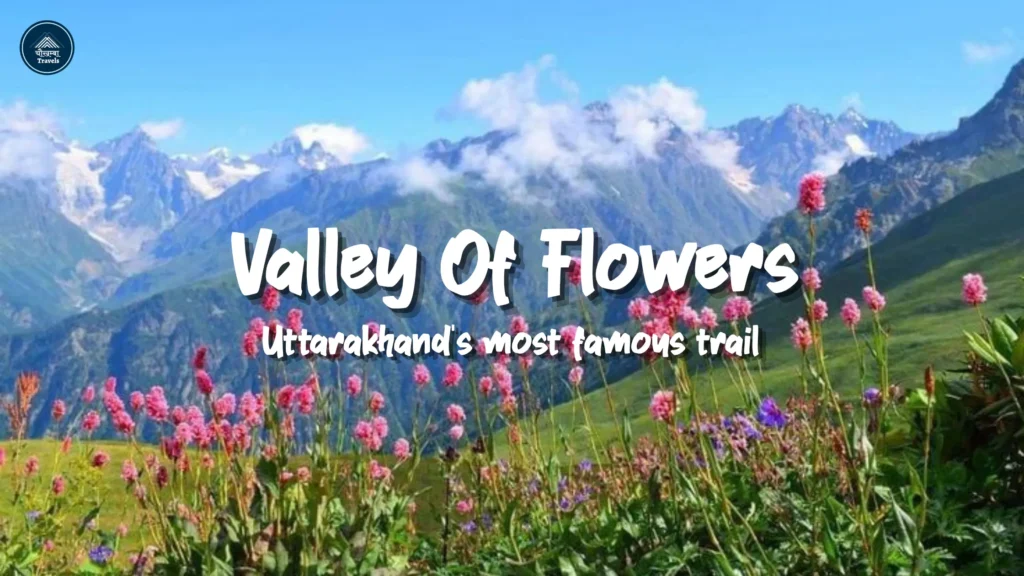
Everyone asks the same question before booking the Valley of Flowers trek: when should I actually go? Most travel blogs give you the same useless answer — “July to August.” That is technically correct, but it tells you almost nothing useful.
Mid-July versus late August is not the same experience. The flower species are different. The crowds are different. The rain intensity is different. The Brahma Kamal — Uttarakhand’s state flower and the rarest bloom in the valley — has a specific window that most guides don’t even mention.
This guide breaks it down honestly, week by week, so you can match your visit to what you actually want to see.
| Quick facts — Valley of Flowers 2026 Opens: June 1, 2026 | Closes: ~October 4, 2026 | Entry: 7:00 AM – 2:00 PM daily | Exit by: 5:00 PM | Permit: ₹150 Indians / ₹600 foreigners (3-day pass) | Overnight stays: Not permitted inside the valley | Base: Ghangaria village (4 km from valley entrance) |
Table of Contents
Why timing matters more at Valley of Flowers than most treks
The Valley of Flowers sits at 3,500–3,600 metres in the Chamoli district of Uttarakhand. It is a UNESCO World Heritage Site covering 87.5 square kilometres — but it is only accessible for roughly four months a year, and its bloom cycle is not uniform across that window.
Unlike most Himalayan treks where the experience is primarily about altitude and views, here the primary draw — the flowers — have a hard biological timeline. Come too early, you get greenery. Come too late, you get golden grass. The sweet spot is narrow, and it shifts slightly each year depending on monsoon arrival.
There is one more variable most blogs ignore: what you are combining with this trek. If you are also visiting Hemkund Sahib, the timing calculus changes because the Gurudwara sees its own peak crowd period in late August and September when pilgrim numbers spike.
The complete month-by-month breakdown
| Month | Blooms | Crowd | Weather | Verdict |
| June 1–15 | Early buds only | Thin | Dry, clear | For glacier views |
| June 16–30 | Marigold, Primula | Low | Dry to light rain | Quiet & scenic |
| July 1–15 | Orchids, Blue Poppy | Building | Monsoon begins | Excellent start |
| July 16–31 | PEAK starts | High | Heavy rain | BOOK NOW |
| August 1–15 | PEAK — 500+ species | Highest | Monsoon, misty | BEST WINDOW |
| August 16–31 | Brahma Kamal peak | High | Rain easing | Still excellent |
| September | Fading, golden | Low–moderate | Clear skies | Peaceful & clear |
| October 1–4 | Minimal | Very thin | Cold, crisp | Final window |
June: the quiet opening — good for some, wrong for most
The park opens June 1 every year, and a certain type of traveller loves early June: almost no crowds, dry trails, clear mountain views, and melting glaciers that are gone by August. If your goal is photography of the Himalayan peaks with snow still present, this is your window.
What you will not get in June is the valley’s signature carpet of colour. Early bloomers like Marsh Marigold, Primula, and Wild Thyme appear, but the mass flowering simply has not begun. Snow patches are still visible at higher elevations, and the trail to Hemkund Sahib can be icy in early June.
Who should visit in June: Photographers focused on landscape rather than flowers. Trekkers who want Hemkund Sahib without crowds. Anyone with altitude sensitivity who benefits from cooler, drier conditions.
Who should avoid June: Anyone coming specifically to see the famous flower carpets. The bloom density in June is less than 20% of what you will see in late July.
Mid-July to mid-August: the peak window — and why you need to book 4–5 weeks ahead
This is the honest answer to the timing question: if you want maximum flower diversity and density, plan for the third week of July through the second week of August. This is when over 500 species bloom simultaneously, the valley floor turns into the colour-saturated spectacle you have seen in photographs, and the famous Blue Poppy (Meconopsis aculeata) is at its most vivid.
What blooms when in this window
- Mid-July to early August: Himalayan Blue Poppy, Cobra Lily, Orchids, Marsh Marigold, Geranium, Primulas in full density
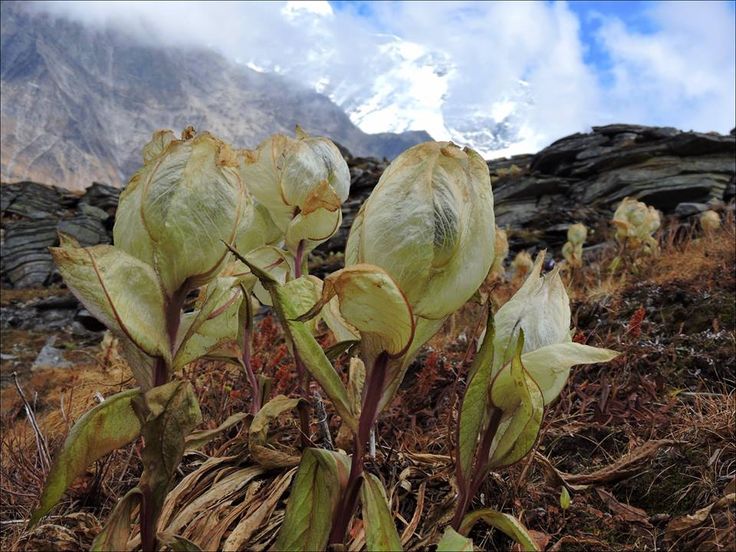
- First two weeks of August: Brahma Kamal (Saussurea obvallata) — Uttarakhand’s state flower, found near the Hemkund Sahib ascent. This is the rarest and most prized sighting. It blooms only in August.
- Throughout peak: Himalayan Balsam, Bell Flowers, Potentilla, Anemone
| The monsoon reality nobody tells you Mid-July to mid-August is full monsoon season. You will get rain — often heavy rain in the afternoons. Trails are slippery. There is a real risk of minor landslides on the Govindghat–Ghangaria route. Leeches are present on the lower trail. This does not make the trek unsafe, but it does mean a rain poncho is non-negotiable, and you must be inside the valley before 1:00 PM to beat the afternoon downpours. A waterproof jacket — not a flimsy poncho — is essential. Budget an extra ₹500–800 for waterproofing gear if you haven’t packed properly. |
The crowd situation is also real. Trek slots with reputable operators sell out 30–40 days in advance for the Independence Day long weekend (August 14–16). If your dates fall near any long weekend, treat booking like a flight during a holiday — do it immediately.
| Book early — this is not a generic travel warning Independence Day weekend (August 14–16, 2026) and the first week of August are consistently the highest-demand periods. Slots with quality operators fill 5–6 weeks ahead. Ghangaria guesthouses book out even faster. If your target window is late July to mid-August, confirm your accommodation and operator by late June at the latest. |
September: the underrated month for serious trekkers
September is genuinely the most underappreciated month at Valley of Flowers, and experienced trekkers know this. The flowers are mostly gone by mid-September — that is the honest trade-off — but almost everything else improves.
The monsoon withdraws progressively through September, bringing clearer skies and better mountain visibility than you will ever get in peak bloom season. The crowds drop significantly. Accommodation is easier to find and often cheaper. The trail dries out. The views of the surrounding peaks — Nilgiri Parvat, Hathi Parvat, Gauri Parvat — are sharper than at any other time during the open season.
There is also a specific appeal for Hemkund Sahib visitors: late September has fewer pilgrims, which means the Gurudwara visit is more reflective and the trail less congested. September is also when golden grasses replace the flower carpets, creating a completely different but genuinely beautiful landscape that almost no one photographs.
Who should consider September: Trekkers prioritising clear mountain views and photography. Anyone who wants Hemkund Sahib without the August pilgrim surge. Budget travellers who want better accommodation rates. Those who find the July–August crowds and rain genuinely uncomfortable.
The decision framework: match your goal to your month
month
| Your goal | Best month | Trade-off |
| Maximum flower diversity + Blue Poppy | Late July – early August | Heavy rain, high crowds, book far ahead |
| See Brahma Kamal specifically | First 2 weeks of August | Monsoon peak, slippery trails |
| Clear skies + mountain views | September | Flowers mostly gone |
| Avoid crowds entirely | Early June or September | June: minimal blooms; Sept: golden grass only |
| First-time trekker, beginner | Late July (not August peak) | Rain present, manageable crowds |
| Combine with Hemkund Sahib peacefully | Mid-September | Reduced floral display |
| Family trek with older adults | July 1–15 | Good compromise: some blooms, lower crowds |
Entry rules and permits — what you need to know before you go
Valley of Flowers is a protected national park. Entry is not free, and you cannot walk in without a permit. Here is what is currently confirmed for 2026:
- Indian nationals: ₹150 for a 3-day entry pass
- Foreign nationals: ₹600 for a 3-day pass
- You can obtain the permit at the Forest Department counter in Ghangaria — the base village, 4 km before the valley entrance
- Online booking is now available through the Uttarakhand Forest Department portal (confirmed for the 2025 season, likely continuing in 2026)
- Carry a valid government-issued ID: Aadhaar card, voter ID, or passport
- Entry gate opens at 7:00 AM. Last entry: 2:00 PM. You must exit the valley by 5:00 PM
- No camping or overnight stays are permitted inside the valley
- Drones require separate permission from forest authorities — do not bring one without prior clearance
| Note on permit fees The online registration portal introduced in 2025 may have updated fees for 2026. The figures above (₹150/₹600) are the most recently confirmed rates. Verify current fees on the official Uttarakhand Forest Department website before your trip, as fees have been revised in previous seasons without advance notice. |
On-ground reality: what the photos don’t show
A few things that most travel content hides from you, because honesty sells better than illusions when your customers come back:
- There is no mobile network inside the valley or in Ghangaria. The last reliable connectivity is at Govindghat, before the trek begins. BSNL and Airtel work in Joshimath.
- Accommodation in Ghangaria is basic. Expect dormitory-style or shared rooms, squat toilets, and limited hot water. There is nothing you would call a hotel. The guesthouses are functional, not comfortable. Book ahead in July–August.
- Mules are available from Govindghat to Ghangaria for those who cannot manage the 13 km trail with a heavy pack. They are not allowed inside the national park beyond the checkpoint.
- Food in Ghangaria is limited to dhabas and the Gurudwara langar. The langar (free community kitchen at the Sikh shrine) serves simple vegetarian meals — a genuine option for budget travellers. Do not expect restaurant variety.
- The afternoon rain in July–August is not light drizzle. It is full monsoon rainfall. Anyone who tells you to carry a rain poncho has not been there — get a proper waterproof jacket.
| Planning your Valley of Flowers trip for 2026? Our guided packages include permits, Ghangaria accommodation, an experienced local guide, and meals throughout the trek. July and August dates are filling fast — check availability now. Valley of Flower Package 2026. |
Trek difficulty
Graded easy to moderate overall — but difficulty shifts depending on which section you tackle and when you visit.
| Trail section | Distance | Difficulty |
|---|---|---|
| Ghangaria → Valley entrance → Valley floor | 4 km | Easy |
| Govindghat → Ghangaria | 13 km | Moderate |
| Ghangaria → Hemkund Sahib | 6 km | Hard (steep, 4,329 m) |
Timing matters for beginners: Peak monsoon (late July–August) adds wet trails, leeches on the lower path, and reduced visibility. If you are new to Himalayan trekking, July 1–15 offers good blooms with more manageable conditions. Avoid Hemkund Sahib if you have respiratory or cardiac concerns.
For a full section-by-section breakdown, see our complete Valley of Flowers difficulty guide.
Frequently asked questions
Is Valley of Flowers open in June 2026?
Yes. The park opens on June 1, 2026. However, expect minimal flowering in early June. The full bloom begins from mid-July.
Can I visit Valley of Flowers without a guide?
Yes, independent trekking is permitted. You obtain your own permit at Ghangaria and trek at your own pace. That said, a local guide adds genuine value for identifying rare species, navigating trail conditions in monsoon, and managing altitude-related issues.
Is the Valley of Flowers trek suitable for beginners?
Yes, with caveats. The trail from Ghangaria to the valley (4 km) is manageable for most people with basic fitness. The Govindghat to Ghangaria section (13 km) is longer and more demanding. Hemkund Sahib (an additional steep 6 km from Ghangaria, reaching 4,329 m) is a serious ascent that requires fitness preparation. Do not attempt Hemkund Sahib if you have respiratory or cardiac conditions.
What is the difference between Valley of Flowers in July vs August?
July has slightly fewer crowds and the monsoon is building but not at peak intensity. August has the highest flower diversity including Brahma Kamal, the most vivid colours, but also the heaviest rain and the largest crowds. Both months are excellent — August wins on bloom quality, July wins on relative manageability.
Can I combine Valley of Flowers with Badrinath?
Yes. Govindghat — the trek starting point — is 25 km from Badrinath. Many trekkers include Badrinath Dham as an extension before or after the VOF trek, particularly during the Char Dham yatra season.
The bottom line
If you want the Valley of Flowers at its most spectacular, plan for late July to the first half of August. Accept the rain, prepare for it properly, and book your operator and accommodation by late June.
If you want a quieter, clearer experience and don’t mind reduced flowers, September is genuinely underrated and under-visited.
If you are going mainly for Hemkund Sahib and the Himalayan scenery rather than the flower show, June or September both work well and avoid the worst of the crowds.
Whatever you choose: go prepared for the altitude, the rain, and the basic conditions. The valley rewards the prepared visitor enormously. It punishes the one who showed up expecting a resort experience.
| Related guides from our blog Complete Valley of Flowers Packing List 2026 — what most lists get wrong — Valley of Flowers vs Hemkund Sahib — should you do both? Valley of Flowers Permit & Entry Guide 2026 — 6-Day Valley of Flowers Itinerary — day-by-day breakdown |